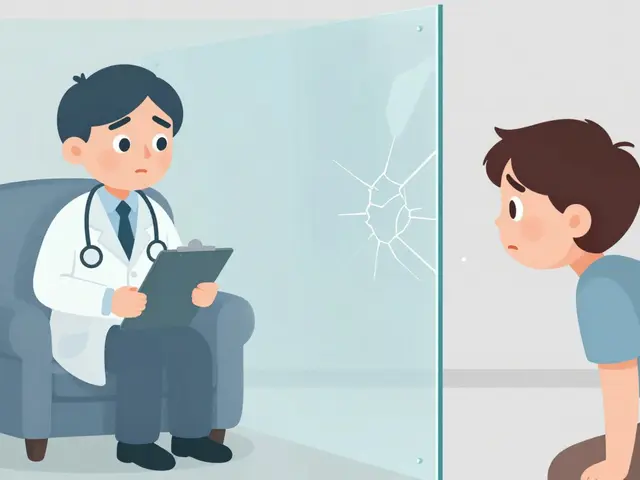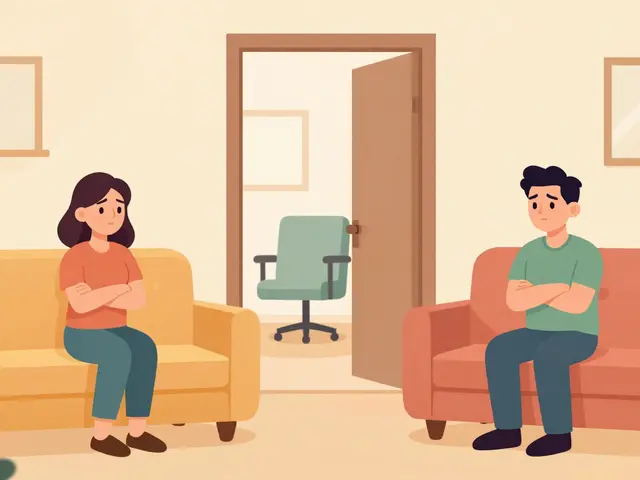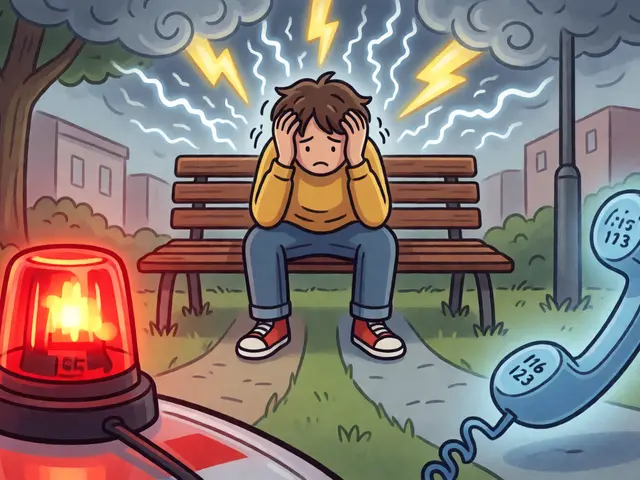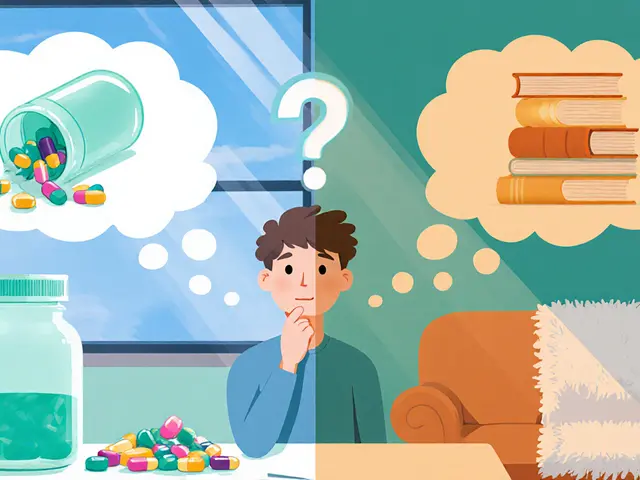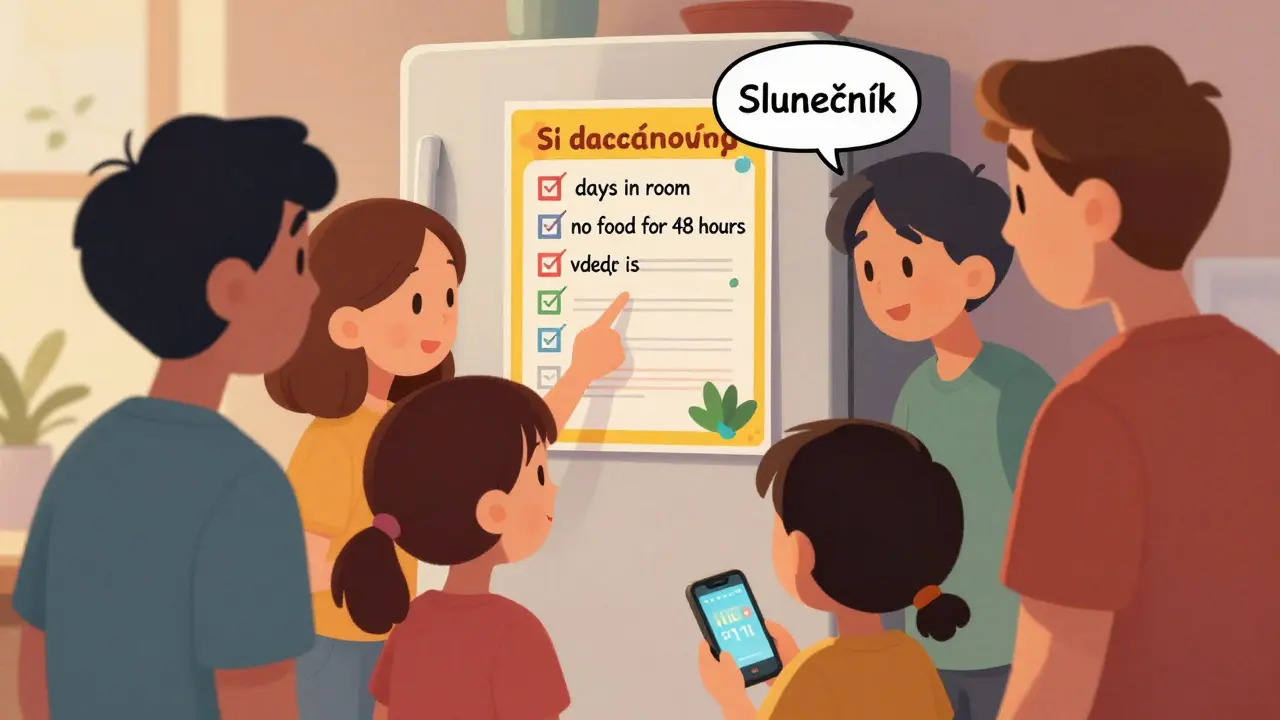
When a family member starts withdrawing, stops eating, or talks about not wanting to live anymore, the whole household feels the ground shift. There’s no warning bell. No clear signal. Just silence, fear, and the crushing weight of not knowing what to do next. This isn’t a hypothetical scenario-it’s happening in thousands of Czech homes every year. And yet, most families are flying blind. They don’t have a plan. They don’t know who to call, when to call, or what steps to take before it’s too late. The good news? You don’t have to wait for crisis to strike to prepare. A krizový plán pro rodiny isn’t just a document-it’s a lifeline. And it’s easier to build than you think.
Co je krizový plán pro rodiny a proč je to věc života a smrti?
A krizový plán pro rodiny is a concrete, step-by-step guide your family uses when someone’s mental health starts to spiral. It’s not therapy. It’s not advice. It’s action. Think of it like a fire drill for your home: you practice it when everything’s calm, so when the alarm goes off, you don’t freeze. In the Czech Republic, this tool has been officially adopted since 2016 as part of national mental health strategy, especially for families dealing with autism spectrum disorders, bipolar disorder, depression, or schizophrenia. According to the Institute for Psychiatry Reform (2022), families using a structured plan reduce unplanned hospitalizations by 35-40%. That’s not a statistic-it’s time saved, trauma avoided, and lives preserved.
What makes this different from just “being there for each other”? Because being there doesn’t mean knowing what to do. A plan turns emotion into action. It replaces panic with procedure.
Klíčové prvky, které každý krizový plán musí mít
Most families try to make a plan, but they fail because they use vague words. “If she’s sad, call someone.” That’s not a plan. That’s a wish. A real plan is specific. It’s measurable. It’s unambiguous. Here’s what every effective plan includes:
- Konkrétní příznaky krize - Not “she’s withdrawn.” Say: “She doesn’t leave her room for 3 days, hasn’t eaten in 48 hours, and says ‘I don’t want to be here anymore.’” These are observable, measurable signs. If you can’t see it or count it, it’s not useful.
- Kontakty s časovým rámce - Don’t just write down a phone number. Say: “Psychiatrist MUDr. Novák: 777 123 456 - call only Mon-Fri, 8 AM-4 PM.” For emergencies, write: “Linka bezpečí 116 111 - call anytime, day or night.”
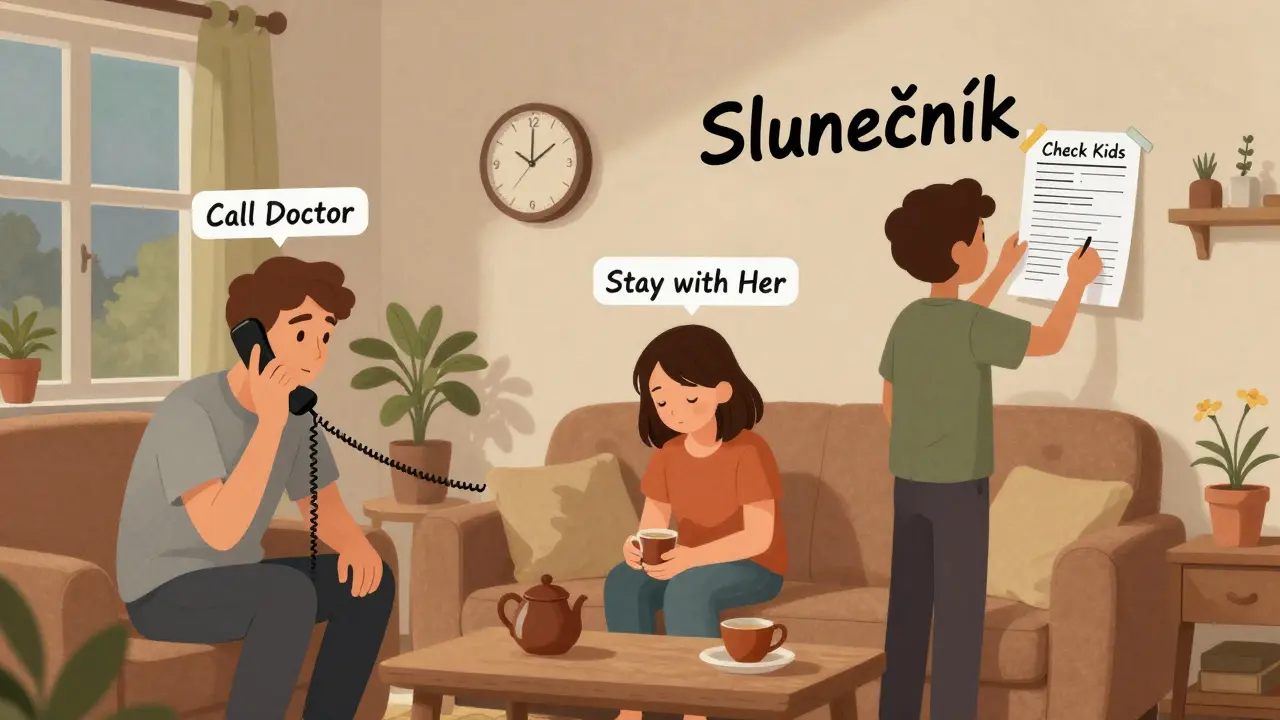
- Rozdělení úkolů - Who does what? One person calls the doctor. Another stays with the person in crisis. A third checks in with siblings or calls the school. No guessing. No overlap. No one feels overwhelmed because everyone knows their role.
- Kódový název pro krizi - This is critical. Give your crisis a name. “Slunečník,” “Bílá vlna,” “Příval.” When someone says, “I’m feeling the Slunečník today,” everyone knows what it means. It’s a soft signal, not a panic button. It reduces shame and resistance.
- De-escalační otázky - Simple phrases that lower tension: “Chceš, abych ti přinesla čaj?” or “Chceš si sednout vedle mě?” These aren’t solutions-they’re anchors.
According to research from hledampsychologa.cz (2023), 82% of families say their communication improved after creating a plan. Why? Because they stopped arguing about “what’s wrong” and started acting together.
Jak vytvořit krizový plán - krok za krokem
You don’t need a therapist to build this. You need time, honesty, and three meetings.
- Schůzka 1: Co se děje, když nastane krize? (1-2 hodiny)
Gather everyone who lives in the home. Ask: “What are the exact signs that something’s breaking down?” Use the “pokud… potom” format: “Pokud se dítě nevzbudí 2 dny, nejí a říká, že je všechno zbytečné, potom otec zavolá psychiatra a matka zůstane s ním.” Write it down. Don’t skip details. If you say “she’s quiet,” you’ll miss the warning. If you say “she doesn’t respond to her name for 6 hours,” you’ll act in time.
- Schůzka 2: Kdo a kdy volat? (1-2 hodiny)
List every contact: psychiatrist, psychologist, crisis line, neighbor, family friend. For each, write: “Call only during these hours.” For example: “Psychologist: 777 555 333 - call only if it’s after 5 PM on weekdays.” Include emergency numbers: 112, 116 111, 155. Print this list. Put it on the fridge. Save it in your phone. Make sure everyone can find it in 10 seconds.
- Schůzka 3: Kdo co dělá a jak to nazveme? (1-2 hodiny)
Assign roles. “I will call the doctor.” “I will make sure she doesn’t have access to pills.” “I will stay with her until help arrives.” Then pick a code word. It can be silly. “Panda,” “Džbán,” “Zlatý dešť.” The point is: when someone says, “I’m feeling Panda today,” the whole family knows: it’s time to activate the plan. No drama. No confusion.
It takes 4-6 hours total. But that’s less time than you spend scrolling on your phone in a week. And it’s worth more than gold.
Proč některé plány selhávají - a jak jim předcházet
Not every plan works. And the reason is almost always the same: it’s too vague.
A 2021 survey from nevypustdusi.cz found that 65% of first-time plans used phrases like “she’s in a bad mood” or “he’s acting strange.” These are useless. When you’re in crisis, you don’t have time to interpret. You need precision.
Another common mistake: no one updates the plan. The Institute for Psychiatry Reform says the average plan loses its effectiveness after 6-8 months. Why? Because people get better. Or worse. Or their triggers change. A plan made last year might not fit this month.
Fix it: Schedule a 30-minute review every 6 months. Or after every crisis. Ask: “Did the plan work? What didn’t we expect? What needs to change?”
And don’t ignore the “Plán zastupování v péči.” This is simple: Who takes care of the family if the person in crisis is hospitalized? Who picks up the kids? Who pays the bills? Who calls the employer? Write it down. This isn’t optional. It’s survival.
Co říkají lidé, kteří to už používají
On a Facebook group for parents of children with mental illness, one mother wrote: “We had three hospitalizations in two years. Since we made our plan with the code name ‘Slunečník,’ we’ve avoided two more. When she says ‘I need Slunečník,’ we know: it’s not drama. It’s a signal.”
A father in Brno shared: “I handle the meds. My wife handles safety. Our 18-year-old son talks to his sister. We used to all scream at each other during crises. Now we just check our roles. Our stress dropped 50%.”
But one Reddit user (r/psychologiecz, 2023) warned: “We had a plan that said ‘if mood is bad, call someone.’ We didn’t act until he tried to jump off the balcony. That’s not a plan. That’s a tragedy waiting to happen.”
The difference? Specificity.
Co se děje v Česku - a kam to směřuje
This isn’t just a family tool. It’s becoming national policy. Since 2016, every psychiatric ward in the Czech Republic has been required to offer this plan to patients with chronic conditions. By 2023, an estimated 15,000-20,000 families were using it. The Ministry of Health reports that 78% of specialized care homes now include it in their standard care.
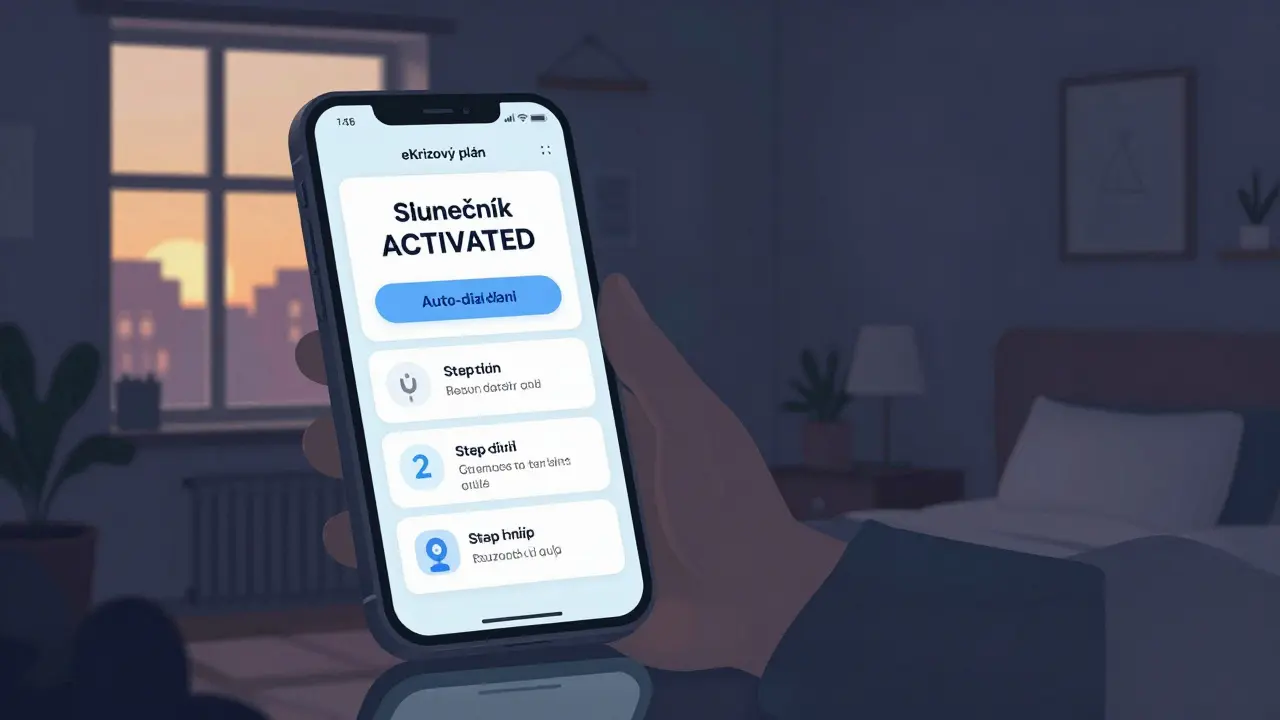
And it’s getting smarter. In 2023, the Ministry launched a pilot program called eKrizový plán - a digital version that sends alerts to your phone. Imagine: your daughter says, “I’m feeling Slunečník.” Your phone buzzes. The plan opens. The number of her psychiatrist appears. The next steps pop up. You click “Activate.”
By 2025, this will be integrated into the national electronic health system (EZIS) for selected patients. By 2027, experts predict it will be standard for anyone with chronic mental illness.
But here’s the catch: only 45% of families update their plan after a crisis. That’s the biggest risk. A plan that’s not alive is dead.
Co dělat, když je už pozdě
If someone is in immediate danger - if they’re talking about suicide, holding sharp objects, or trying to leave the house in a dangerous state - don’t wait. Call 112. Call 116 111. Call your neighbor. Call anyone. The plan is for prevention. It’s not for emergencies. Emergency means: act now. No waiting. No discussion. No hesitation.
And if you haven’t made a plan yet? Start today. Not tomorrow. Today. Sit down. Ask the questions. Write the answers. Even if it’s messy. Even if it’s imperfect. A bad plan is better than no plan.
Because when the crisis comes - and it might - you won’t be asking, “What do we do?”
You’ll be asking, “What’s next?”
Je krizový plán pro rodiny jen pro rodiny s autistickým spektrem nebo duševními poruchami?
Ne. Krizový plán je užitečný pro každou rodinu, kde někdo trpí depresí, úzkostí, bipolární poruchou, poruchou příjmu potravy, nebo jinou chronickou duševní potíží. Dokonce i rodiny, kde někdo má silné stresové reakce po ztrátě, rozvodu nebo onemocnění, mohou získat bezpečnost a jasnost díky strukturovanému přístupu. Cílem není diagnostikovat - cílem je připravit se.
Může krizový plán zhoršit situaci, když je příliš přísný?
Ano, pokud ho považujete za pevný předpis. Psychické krize nejsou předvídatelné jako počasí. Plán by měl být pružný. Pokud se něco změní - například osoba začne reagovat jinak na léky nebo se objeví nové příznaky - plán se musí aktualizovat. Cílem není kontrolovat, ale podporovat. Kódový název, rozdělení úkolů a kontakt na linku bezpečí jsou pevné. Zbytek může být upraven podle situace.
Kdo mi pomůže sestavit krizový plán?
Můžete ho vytvořit sami. Ale pokud potřebujete pomoc, kontaktujte sociálního pracovníka, který pracuje s vaší rodinou, nebo psychiatrickou službu, kde je pacient léčen. Většina psychiatrických oddělení v Česku má šablony a poradce, kteří vám pomohou krok za krokem. Některé organizace, jako je Hledáme psychologa, nabízejí zdarma šablony a vodítka na svých webech. Nečekáte na „perfektní“ plán - začněte s tím, co máte.
Co když někdo v rodině odmítá plán vytvářet?
Nechte ho. Neutlačujte. Místo toho vytvořte plán pro ostatní. Pokud tři členové rodiny mají plán, můžou reagovat rychle a bez zmatku, když se krize objeví. Často se stane, že ten, kdo odmítl, později uzná, že plán mu pomohl. Nebo se vůbec nezúčastní - ale i tak se jeho přítomnost nezhorší. Důležité je, aby ti, kdo jsou ochotní, věděli, co dělat.
Je krizový plán právně závazný?
Ne. Krizový plán není soudní dokument ani léčebný předpis. Je to vnitřní nástroj rodiny. Ale pokud se v krizi zavoláte na Linku bezpečí nebo na psychiatrickou službu, můžete jim plán předložit. Mnoho pracovníků ho považuje za důležitý kontext. Některé úřady dokonce požadují jeho verzi při posuzování podpory. Takže i když není závazný, je užitečný.