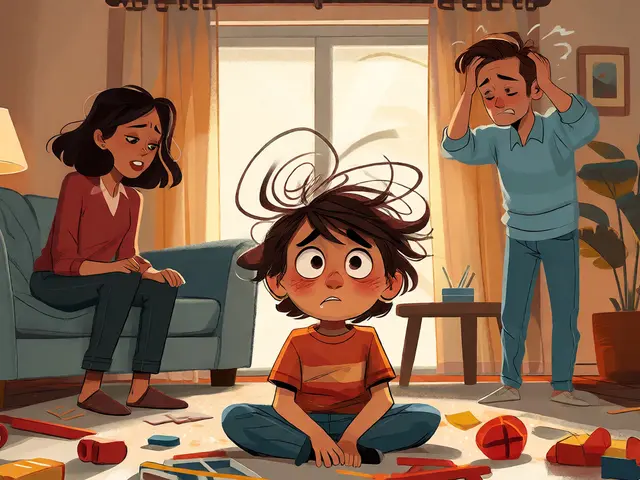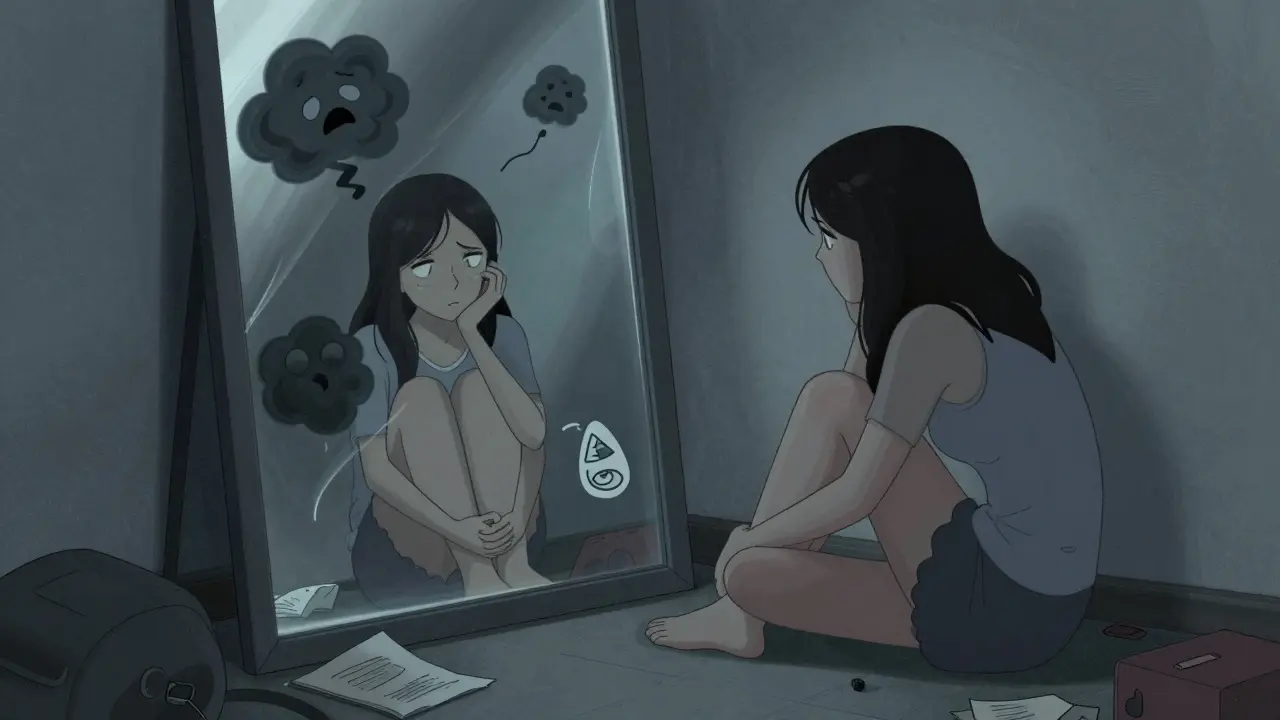
Imagine that you have been fighting a war with your own body for five years. Not months, but years. The hunger is constant, the fear of gaining weight is paralyzing, and despite hospital stays and diets, nothing seems to stick. This is the reality of chronic anorexia, defined as a severe eating disorder characterized by long-term symptoms lasting typically more than 5 years from onset, with high risk of relapse and complications. It affects 20-30% of patients with mental anorexia, turning what should be a treatable condition into a lifelong companion. But here is the good news: it is not hopeless. Psychotherapy, when done right, can break the cycle.
Co je chronická anorexie a proč je jiná?
Chronic anorexia isn't just "long-lasting" anorexia. It is a distinct clinical entity where standard acute treatments fail to produce lasting improvement. According to Raboch (2006), it is diagnosed when a patient shows no permanent recovery after standard acute care. The stakes are high: 5-10% of cases end fatally, making it one of the deadliest psychiatric disorders. Unlike acute anorexia, where rapid weight restoration might seem like a cure, chronic anorexia involves deeply ingrained maladaptive behaviors and cognitive distortions that resist quick fixes.
The core issue? It's not just about food. It's about control, identity, and survival mechanisms that have become rigid over years. Vandereycken (1996) emphasizes that the primary goal of treatment must be breaking these inappropriate habits and repetitive maladaptive behaviors. Without addressing this root, any weight gain is temporary.
Proč selhává „jenom“ dieta a kdy nastoupit psychoterapii?
You might think, "If I just eat enough, I'll get better." But for chronic anorexia, nutrition alone is like putting a bandage on a broken bone without setting it. Nutritional rehabilitation is crucial-it's the foundation-but it doesn't heal the psychological wounds driving the disorder. Research shows that the highest effectiveness comes from combining long-term, systematic psychotherapy with intensive, relatively short-term pharmacotherapy.
Why does therapy need to start early? Because the longer the illness persists, the harder it is to change entrenched patterns. By the time someone reaches the chronic stage, their brain has rewired itself around restriction. Therapy must address:
- Cognitive distortions about body image and weight
- Maladaptive coping mechanisms for stress
- Interpersonal dynamics that maintain the illness
- Secondary gains from being "sick" (attention, avoidance of responsibilities)
In the Czech context, experts like PhDr. Krch use cognitive-behavioral approaches specifically tailored for eating disorders, showing that localized expertise matters.
Který typ psychoterapie funguje nejlépe?
There is no single "best" therapy for chronic anorexia. Instead, multimodal programs combining several approaches yield the best results. Here’s how different therapies contribute:
| Therapy Type | Focus Area | Key Benefit | Limitation |
|---|---|---|---|
| Cognitive-Behavioral Therapy (CBT) | Thoughts & Behaviors | Identifies and changes pathological schemas; highly structured | May feel too rigid for some patients |
| Psychodynamic Therapy | Unconscious Conflicts | Addresses deep-seated emotional roots and family dynamics | Slower progress; requires strong therapeutic alliance |
| Interpersonal Therapy | Relationships & Social Functioning | Improves communication and reduces isolation | Less focus on immediate behavioral change |
| Family Therapy | Systemic Dynamics | Crucial for adolescents; addresses enabling behaviors | Not always feasible for adults with strained family ties |
In practice, specialized hospital departments in the Czech Republic often combine CBT with dynamic individual and group therapies. For example, behavioral techniques use operant conditioning: during hospitalization, social privileges (like outings or activities) are gradually increased as weight gain occurs. This isn't manipulation-it's creating positive reinforcement loops that help rebuild trust in the body.

Jak vypadá reálná cesta k uzdravení?
Recovery from chronic anorexia is rarely linear. Most patients experience phases of resistance, partial cooperation, and relapse before achieving stability. A typical journey looks like this:
- Acute Stabilization: Hospitalization if needed (for cachexia below 75% ideal body weight, bradycardia under 50 bpm, or suicide risk). Focus on medical safety and initial weight restoration.
- Early Psychosocial Intervention: Introduction of psychoeducation and motivational interviewing to build willingness for change. Building the therapeutic alliance is critical here-patients often distrust therapists initially.
- Intensive Outpatient/Partial Hospitalization: Daily or weekly sessions focusing on CBT, group therapy, and nutritional counseling. Patients learn to manage triggers and develop healthier coping strategies.
- Maintenance Phase: Long-term individual therapy (often 1-3 years) to prevent relapse. Addressing residual symptoms, improving self-esteem, and rebuilding life outside the illness.
Remember: 40-50% of patients experience at least one relapse within the first five years after acute treatment ends. That doesn't mean failure-it means the work continues. Relapse prevention planning is part of every successful program.
Role multidisciplinárního týmu: Kdo všechno pomůže?
No therapist works alone in treating chronic anorexia. Effective care requires a team approach because the disorder impacts every aspect of health. Your team likely includes:
- Psychiatrist: Manages medication (if needed) and oversees overall treatment plan.
- Clinical Psychologist/Psychotherapist: Leads the psychological intervention using evidence-based methods.
- Nutritionist/Dietitian: Creates realistic meal plans and educates about balanced nutrition without triggering anxiety.
- Internist/GP: Monitors physical health markers (heart rate, electrolytes, bone density).
- Pedopsychiatrist (for youth): Specializes in developmental aspects and family involvement.
This collaboration ensures that somatic, nutritional, psychosocial, and psychopathological aspects are all addressed simultaneously. In complex cases, even occupational therapists or art therapists may join to help patients reconnect with non-food-related joys.

Časté pasti a jak se jim vyhnout
Treating chronic anorexia is fraught with pitfalls. Here’s what to watch out for:
- Ignoring Secondary Gains: If being sick gives you attention or excuses you from work/school, therapy must address this directly. Otherwise, you’ll unconsciously sabotage recovery.
- Inconsistent Boundaries: Therapists must be accepting yet firm. Wavering rules can encourage manipulative behavior, which often develops in chronic cases as a survival tactic.
- Rushing Weight Gain: While nutrition is vital, forcing rapid increases can trigger severe anxiety and vomiting. Gradual, monitored progress is safer and more sustainable.
- Overlooking Comorbidities: Depression, anxiety, OCD, or trauma often coexist. Treating only the eating disorder ignores half the problem.
Also, beware of "miracle cures" online. Chronic anorexia requires professional, personalized care-not generic advice.
Prognóza: Je uzdravení možné?
Yes, but it takes time and patience. Modern approaches have improved outcomes significantly. Personalized treatment plans that consider individual needs, comorbidities, and disease stage show promise where standard protocols once failed. Early intervention remains key-the sooner you seek help, the easier it is to reshape neural pathways.
But even if you’ve struggled for decades, hope exists. Many patients achieve full remission or significant functional improvement through persistent, comprehensive care. The goal isn’t perfection-it’s building a life where food is fuel, not fear.
How long does psychotherapy for chronic anorexia usually last?
Typically 1 to 3 years of regular sessions, depending on severity and response. Some patients require ongoing maintenance therapy indefinitely to prevent relapse. Progress is measured not just by weight, but by improved quality of life and reduced symptom frequency.
Can chronic anorexia be cured completely?
While "cure" implies never thinking about food again, most experts aim for "remission"-where symptoms no longer dominate daily life. Many patients live fulfilling lives post-treatment, though they remain vigilant against triggers. Full biological and psychological recovery is possible with sustained effort.
What if my loved one refuses therapy?
Resistance is common in chronic anorexia due to fear and denial. Start with psychoeducation for the family, engage a specialist who understands ambivalence, and focus on small steps. Sometimes involving a trusted doctor or peer support group can open doors. Never force treatment-it undermines trust.
Are medications effective for chronic anorexia?
Medications play a supportive role, mainly targeting comorbid conditions like depression or anxiety. There is no specific drug approved solely for anorexia. However, short-term use of antidepressants or antipsychotics may reduce obsessive thoughts or improve appetite during stabilization phases.
Where can I find specialized help in the Czech Republic?
Look for accredited centers offering multimodal programs. Hospitals like Motol University Hospital in Prague or Brno University Hospital have dedicated eating disorder units. Private practices led by specialists like PhDr. Krch also provide targeted CBT-based care. Always verify credentials and ask about their experience with chronic cases.